

A shift in the automotive manufacturing supply chain from China in favor of Mexico was sparked in 2018 under the trade war between the United States and China. While large shifts take time to implement, the pandemic and subsequent difficulties in securing ocean and airfreight capacity are pushing forward the changes started by the trade war, according to Dachser Mexico.
“We have seen an interesting trend, especially with tier-one and tier-two customers in the automotive industry,” said Edgardo Hamon, managing director of Dachser Mexico, in an interview with Air Cargo World. “Many are looking to move production lines from Asia to Mexico, so we are quoting quite a few movements [of heavy machinery].” In the automotive supply chain, tier-one companies supply products directly to original equipment manufacturers, while tier-two suppliers provide products for tier-one companies.
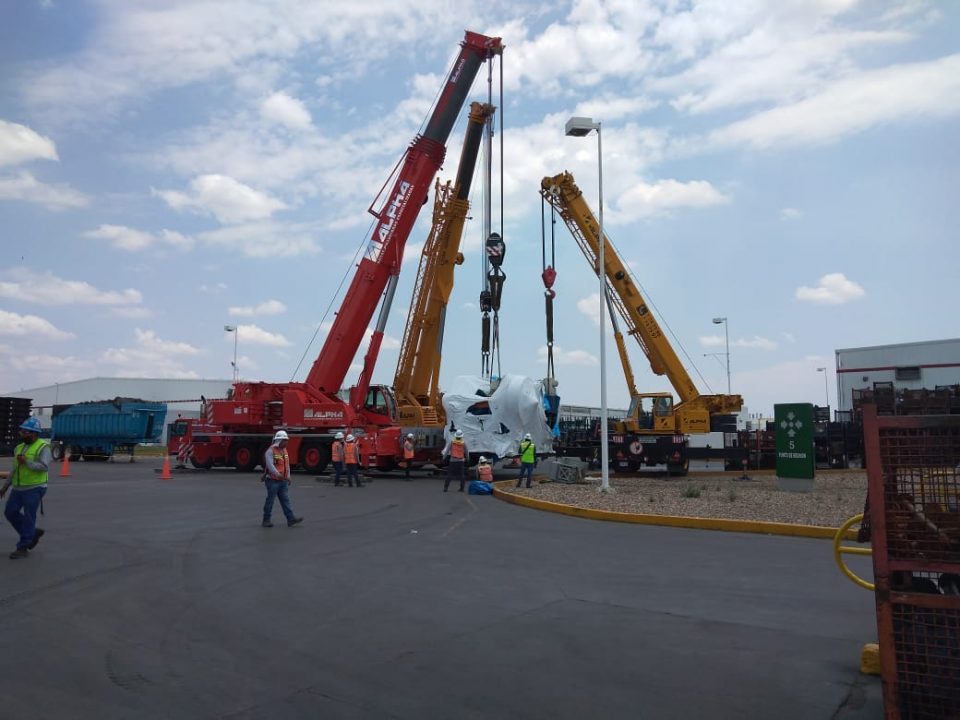
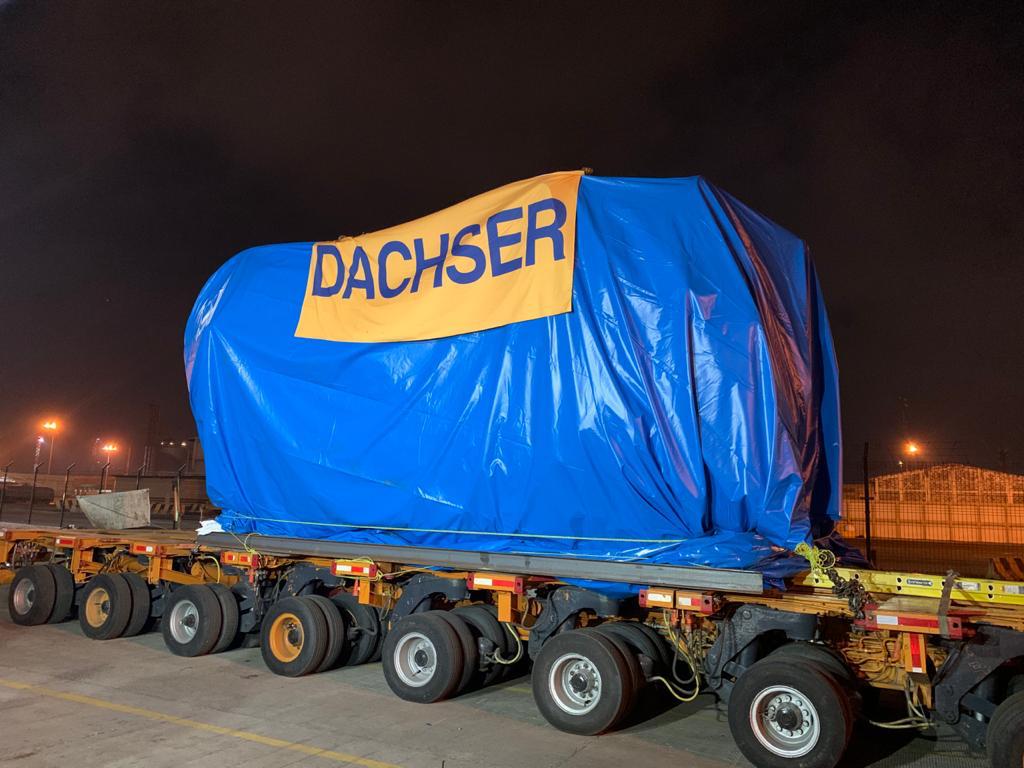
The Mexican branch of the German freight forwarder announced such a shipment for the automotive industry in August, when a U.S.-based customer requested transportation of 138 tons of oversized automotive manufacturing machinery from Jundai, Brazil, to Silao, Mexico. Such shipments have been difficult in Mexico during the pandemic due to shutdowns and a collapse in capacity, but manufacturers are working toward the shift so that “instead of depending so much on China trade, they can get rid of this dependency and create more near-shored production lines for essential goods,” said Hamon.
Aside from its work for the automotive industry, and in support of customers facing capacity shortages across shipping modes, Dachser Mexico is increasing its other logistics offerings, Hamon added. In early October, the forwarder opened an expanded bonded warehouse in Queretaro, as Dachser Mexico has “seen a lot of demand for customers to have space capabilities to bring materials into our warehouses,” said Hamon. The forwarder has also launched a new customs brokerage service in Mexico.
“On airfreight, as capacities shrink, we’re not able to provide as many solutions to our customers, which is why we’re providing chartering solutions worldwide,” said Hamon. “On the seafreight side, it’s pretty much the same. Volumes are not the same as they used to be. We have to come up with other solutions. Also, adding value is very important, so we are always looking into different regions where we can add value by providing delivery solutions, bonded solutions, or warehouses.”
