

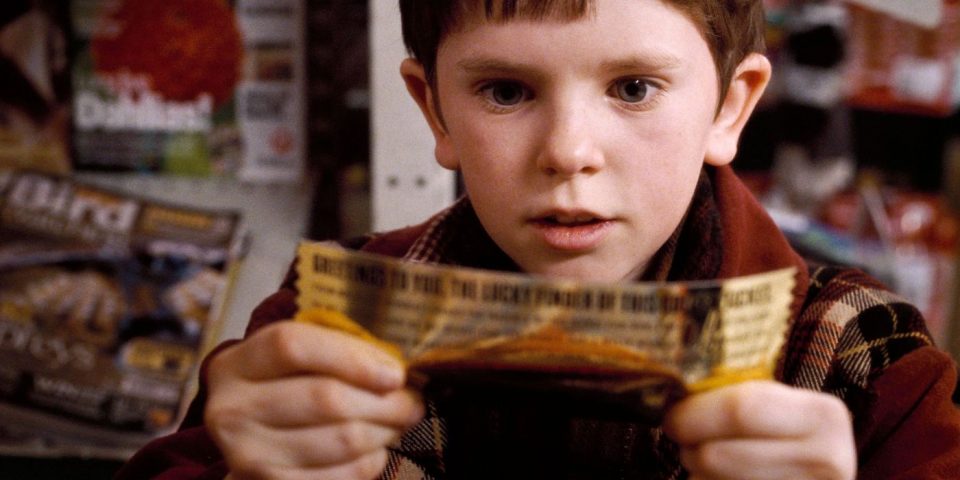
Charlie and the Chocolate Factory have been a beloved children’s story for children and adults around the world. Willy Wonka and his magical sweets factory have also been many children’s dreams. However, the story isn’t without a darker undertone. Its haunting depiction of capitalistic dystopia stays relevant today.
Through Charlie and the Chocolate Factory, viewers could see the disproportionate distribution of wealth. Willy Wonka and his glorious one-man empire symbolized wealth and technology on one side of the city. Near the edge of the town, the Bucket family represented the working class; they had four people sleeping in the same bed and were barely surviving. The new technology imported into the toothpaste factory resulted in Nathan Bucket’s unemployment. Grandpa Joe, the former worker in the Wonka factory, was laid off due to the chocolatier’s fear of competition. Instead, Wonka imported illegal workers, known as the Oompa Loompas, to reduce the cost and risk of hiring local workers.
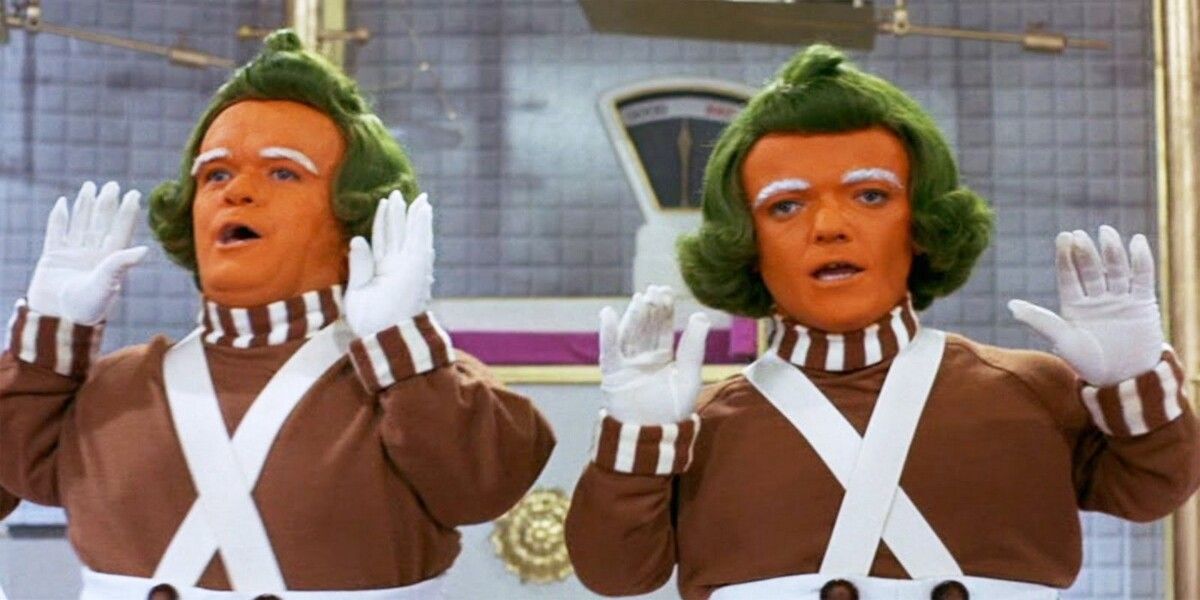
Charlie and the Chocolate Factory‘s film adaptations may have treated the Oompa Loompas as supernatural beings, but they lead to the chocolate factory’s darkest secret: labor exploitation and the slave trade. Wonka smuggled every man, woman and child from Oompaland to work in his factory. He used them as test subjects and paid them with unreasonable wages — cocoa beans instead of real money. In his defense, they were happy about this arrangement because they came from a place where cocoa beans were a luxury. The Oompa Loompas were not allowed to set foot outside the factory, nor did they have fundamental human rights.
In every version of Charlie and the Chocolate Factory, Charlie was the story’s hero, and Willy Wonka was a brilliant pioneer. Grandpa Joe pointed out the slim possibility of Charlie finding the last golden ticket, confirming that this treasure hunt was designed for the rich. It was exactly how it worked out — unlike Charlie, the four other children all came from upper-middle-class families. Veruca Salt’s father even had the resources to task his entire peanut factory to find one golden ticket. As glamorous as it sounded, the vicious cycle of capitalist exploitation continued.
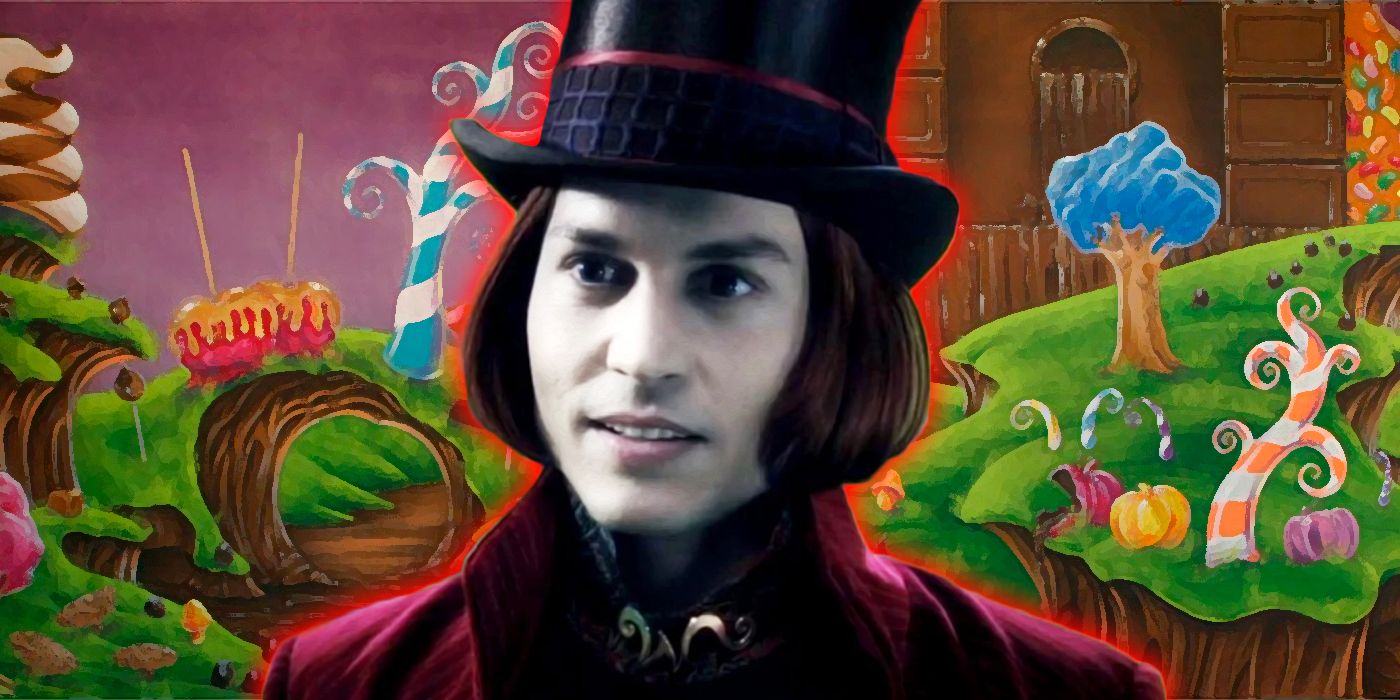
The five golden tickets served as a tactic to stimulate sales in disregard of the cost of environmental and social damages. The entire world buying chocolates in search of five golden tickets poses a massive waste of resources and raises severe issues of overconsumption. The Bucket family, among the others, were starving, while the other part of the world was wasting money and more than enough food to feed them just for a trip to Wonka’s factory.
The famous and wealthy chocolatier also had his “socialistic” side by inventing candies for the poor, but this act was deeply-rooted in the hypocrisy of capitalism. Instead of feeding the poor or providing more jobs for the local community, he invented gums that would taste like a three-course meal and candies that could last all day — an illusion of happiness instead of making a change or acting on what was causing the problem. By all means, Wonka enjoyed his power and social status.
It seems clear that Charlie and the Chocolate Factory painted a capitalist illusion over its true dystopia. Wonka has indicated that he mainly chose Charlie because he wanted a boy who would learn to do things his way. Would Charlie be able to make a change? Sadly, it would mean further exploiting the Oompa Loompas and making more tricky inventions that ultimately benefited the rich.
