

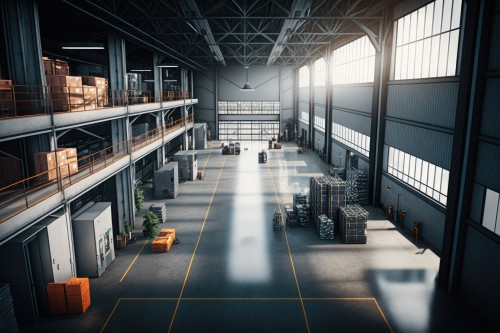
Warehouse layout optimization is a critical aspect of efficient and productive operations in the logistics industry. A well-designed warehouse layout can significantly enhance operational efficiency, maximize space utilization, and streamline material flow.
The goal of warehouse layout optimization is to minimize travel time, reduce handling costs, and improve overall productivity. It involves strategic placement of storage areas, picking zones, equipment, and workstations to optimize workflow and minimize bottlenecks.
One important factor to consider in warehouse layout optimization is the principle of ABC analysis. High-demand and fast-moving items should be placed near the shipping area or in easily accessible locations, while low-demand items can be stored in less accessible areas. This minimizes travel time and improves order fulfillment speed.
Another consideration is the utilization of vertical space. Implementing mezzanine levels or high-racking systems allows for efficient use of available vertical space, maximizing storage capacity without expanding the physical footprint of the warehouse.
Additionally, technology plays a vital role in warehouse layout optimization. Utilizing warehouse management systems (WMS) and automation technologies, such as conveyors or robotics, can streamline material flow and reduce manual handling.
By optimizing the layout of a warehouse, businesses can improve order accuracy, reduce labor costs, and enhance customer satisfaction. Regular review and adjustment of the layout based on changing business needs and industry trends are crucial for maintaining efficiency in warehouse operations.
