

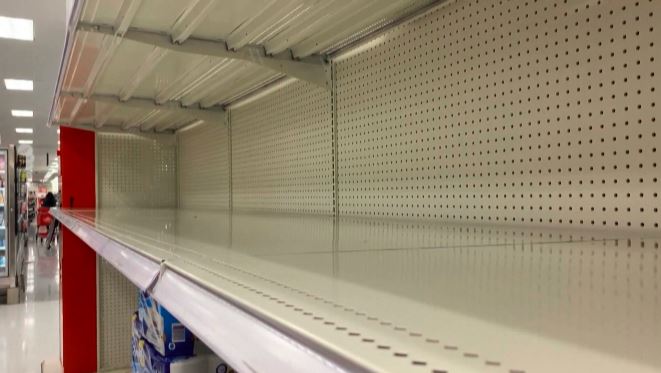
RALEIGH, N.C. (WNCN) – Many are asking if things should be getting better now with COVID-19 infection rates falling.
When it comes to the supply chain, things are not getting better.
Economists said shortages resulting from the supply chain will continue well into 2022.
Major shortages were first experienced during the height of the pandemic. Some were short-lived while others lingered.
The supply chain is delicate. Once it is disturbed, it takes time to fix. Shortages in the grocery store are just one way recent supply chain problems made themselves known.
“It does interrupt your life,” said consumer Mary Nocar. “It’s frustrating and kind of alarming.”
Despite the waning pandemic, there’s still not enough workers to unload goods backed up on the docks and not enough truckers to distribute goods, so the supply chain stays tied up in knots.
“There’s things I just don’t buy anymore,” said shopper Jan Lucas.
“There are several steps consumers can take to mitigate the issue of supply chain problems,” said Alyssa Parker of the Better Business Bureau of Eastern North Carolina.
Those steps include:
- Shopping around for goods at multiple stores
- Trying new things to replace items not available
- Keeping current items in good repair
“Make sure you are doing routine checks whether it’s for a car or HVAC system,” Parker said. “That will save you in the long run and help avoid having to replace it or wait months and months for a part to repair it.”
The great toilet paper shortage at the start of the pandemic showed us how we, as consumers, could disrupt the supply chain ourselves and create shortages.
“Don’t try and buy too much in bulk because you’ll take what other people need,” said Parker. “You’ll create a run.”
Supply chain shortages have been going on so long now it makes some consumers skeptical.
“It seems like part of this is a contrived supply chain crisis,” Lucas said.
The shortages won’t end tomorrow.
“We’re just trying to catch up,” Parker said. “Two or three years, that’s a lot of catching up to do with the backlog.”
Remember, supply chains are driven by people and it’s people who can help control the demand.
To get through this, the BBB recommended conserving what you have so you don’t have to stock up as often. That will also help moderate prices.
Remember the old rule of supply and demand: less product means higher prices and more product means lower prices.
