

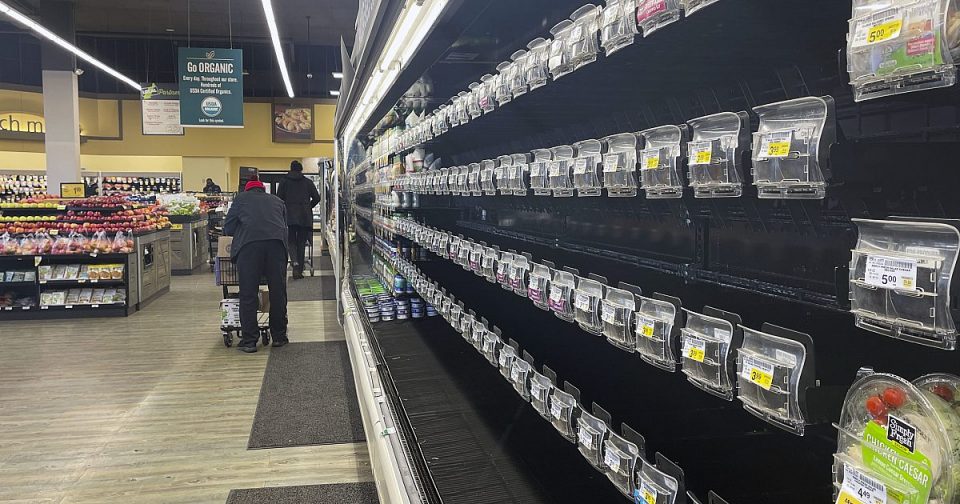
In an average year, U.S. grocery stores might have 5 percent to 10 percent of items out of stock. But according to Consumer Brands Association President Geoff Freeman, the unavailability rate currently stands around 15 percent. Experts are divided about whether the shortages represent a temporary or a long-term problem. Food producers say that large numbers of staff members have called in sick during the recent omicron coronavirus surge. Other food-dependent sectors, like the U.S. trucking industry, are short of workers in general.
What items are unavailable? Industry leaders say it will take time for businesses to adjust to new buying patterns. Freeman said cereals might be scarce while Midwest factories belonging to companies such as Kellogg’s and General Mills grapple with omicron surges. Amid shortages during the holiday season, Kraft Heinz, the maker of Philadelphia Cream Cheese, offered customers money not to make cheesecake. Enfamil reported Wednesday that production and shipping delays have left major retailers short of baby food and formula. An aluminum shortage has made it difficult to distribute canned goods, and companies said supplies are also tight for processing and packaging meat products.
Dig deeper: Read my report in WORLD Magazine about how food shortages affected a soup kitchen in Pennsylvania.
