

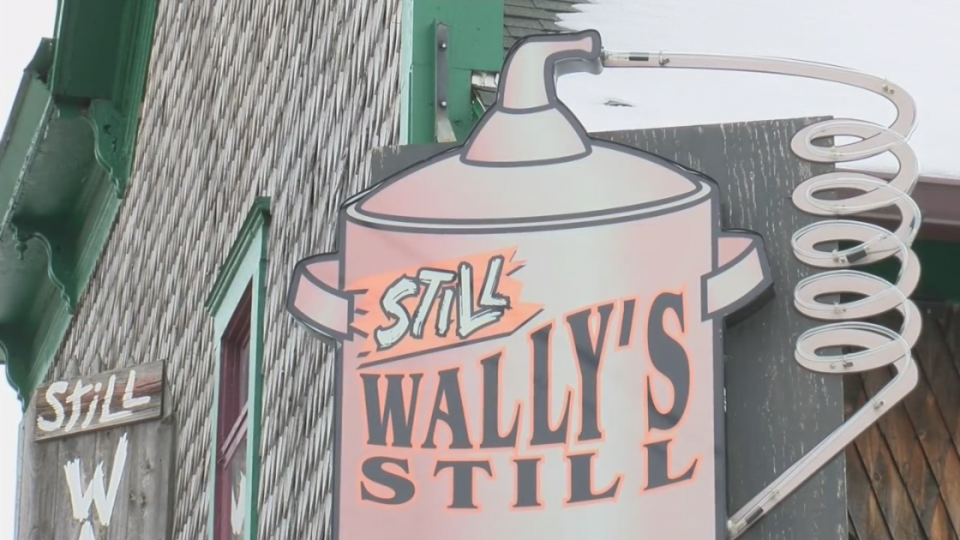
DALE, Wis. (WFRV) – Pandemic and supply chain-related issues seem to have caused Still Wally’s Still supper club to close its doors at the end of November.
The building and bar have been in downtown Dale since the 1880s. Wally Kaufman, who the supper club is named after, owned it for most of the 1900s calling it Wally’s Club Tavern. Fred and Brenda Baerwald purchased it in 1995, turning it from a bar into a supper club. Chris Koga, who is the current owner, purchased it in 2013.
“You could walk from one side of the restaurant to another and have 20 different conversations, this place built the community,” explained Cindy Reimer who frequented the supper club and also helped out there.
When Koga purchased the supper club, he decided to keep just about everything the same – asking himself why he should try to fix something that wasn’t even broken. “So when I got it I kept the recipes the same exactly the same zero change, as I told my employees throughout the years (I wanted to) try to keep it running as it always was ‘still’ (in the name of the supper club) means it’s still Wally’s Still.”
The supper club is attached to Dale’s old firehouse. Koga says he encourages kids to play with toy firetrucks in the firehouse and take a peek at the real ones while they wait for the food to come to their tables.
At the end of November, Koga says he decided to close the supper club. It’s a decision he described as heartbreaking.
He says snags in the supply chain made it difficult to get the inventory he needed. He explains items he was able to get were more expensive.
Koga also says, throughout the pandemic, it’s been difficult to find enough high-quality staff, but emphasizes that most of the staff he did have were great.
In the end, Koga says he hasn’t ruled out reopening the supper club in the future.
