

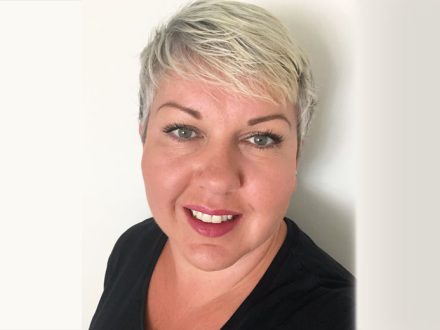
As a nurse whose role acts as a bridge between procurement specialists and clinicians, Emma Nuttall spoke to Nursing Times about the work needed to make the health service greener
Why is it important having nursing input to the NHS product procurement process?
“I believe clinical input is vital to supporting procurement and product choice success. Mainly that comes about because we know what the product does, how it gets used and by whom, along with why something is loved (or hated) by clinical staff. We can act as the conduit between procurement teams and the end users, having clinical conversations with integrity and assuring that patient care is placed centrally along with quality and safety, rather than something being centred around price.
We all know that fiscal efficiencies are required in the NHS, as is reducing the massive amount of variety of products being purchased, but we can also talk about the product nuances and bring products alongside care pathways and apply value-based procurement, as well as show what the benefits can be in time to care or in safety for example.”
What does your role as sustainability champion at NHS Supply Chain involve?
“The sustainability champion role is an additional facet of my day-to-day role as a clinical nurse advisor. The main objective of this is around ensuring intelligence from our customers is captured and shared so we can support the NHS in the drive to net zero, as well as making sure our customer-facing teams are provided with suitable information to be able to support our customers in their green plans.
There are some great examples of work going on in trusts and we can take that, look at it nationally and enable it to be taken back out to benefit all our customers. As we have new or innovative products coming through, we also want to make sure this gets highlighted with as many customers as possible.”
Can you help articulate the size of the sustainability challenge in the NHS? How has the coronavirus pandemic affected the situation?
“The last two-and-a-half years have been a huge challenge and that challenge continues. However, regarding change and the green agenda, there have been some positive outcomes. Utilising virtual platforms for example. This is something we have all had to get used to but what it has reduced is the amount of time spent driving to and from meetings. It has also made it easier for us to engage with busy clinical end users we might not have been able to meet with.
The NHS has seen lots of product change during the pandemic and has become accustomed to using new or different products. In my opinion this has shown how clinical end users are not as stuck on specific brands as they might have been previously. By assuring the products work and are safe, we’re able to make product choice and change simpler. We are looking at different products, more reusable options, and ways to reduce waste as well as linking up with the Royal College of Nursing – we are looking at how we can promote the appropriate use of gloves as an example.”
Have you been involved in any changes that are making a difference in terms of sustainability?
“I have been involved in looking at the use of board-based waste containers for medicinal waste, which improves waste streaming compliance and enables energy from waste to be applied. I have also worked with category manager colleagues in NHS Supply Chain supporting customers to consider using some of the remanufactured devices we have available and to reduce single-use plastic in product areas such as catering. In addition to this I have been involved in discussions around value-based procurement, which can have sustainability benefits alongside patient outcomes and bed days.”
How does NHS Supply Chain balance the need to be financially efficient with the need to become greener? Do the two ever clash?
“It’s more so about ensuring we are on the same objective page as our customers in the NHS. We have seen a shift over the last few years in how fiscal savings were the main priority for most, while now there is appetite and drive to look at wider benefits and include different ways of measuring savings for specific reasons. We do still want to support our customers to make financial savings but recognise that we need to present all opportunities to make sure they are taking products through that really meet their objectives. Partnering with the NHS enables us to shape how procurement should be, so we are easy to work with and help the NHS to put patients first.”
How could the introduction of collective procurement through the new integrated care systems (ICSs) support sustainability efforts?
“Sharing is a great way to make progress and the ICS working is a foundation of being able to do this. I think there is a huge opportunity for ICS footprints to work strongly together and make smart product choices that benefit everyone in patient outcomes, savings and sustainability.”
Is there currently enough focus in student nurse education on sustainability?
“I feel that the healthcare education system, not just for nurses but all professions, needs to look broader at subjects such as sustainability alongside product choice, procurement, and financial basics. I appreciate it can be challenging around priority subjects in the build and focus of a curriculum, however, these are key drivers and priority subjects for running a healthcare economy and system.
The medical profession and its associated education are now looking wider into more diverse subjects, therefore, I believe we need to do the same. If I think back, I only learned about product choice and wider product selection once I was in a more senior role, and procurement and finance only as I got more involved in savings drives and department budgets.
There is still a fair amount of bias towards certain brands, which can lead to resistance to change. Much of that can stem back to familiarity from earlier on, in learning and comfort in what is well known, but then can be difficult to unpick to make changes that will bring benefit.”
What can nurses on the ground do to make a difference day to day in this space?
“Please go and look in your storerooms and cupboards, look at what is being used and why. Is it a case of right product, right place and can things be done differently? Always be questioning and have an enquiring mind. Engage with your procurement teams and sustainability leads, champion the green agenda and if you don’t feel something is being picked up at pace, shout up! Find out who your NHS Supply Chain links are for your trust and get involved with product selection and evaluation.”
Do you think the NHS can hit its target of being net zero by 2040-45? What will it take and how crucial will nurses be to success?
“I am hopeful that we can meet the target, but I think all healthcare professionals are instrumental for the success in the drive to net zero. It can only be productively moved forwards through involvement and engagement and a willingness to embrace change, be that in product or in process. There also must be an appetite to look at innovation and coming together to align and share.”
Emma Nuttall
Emma Nuttall qualified as a nurse in 1997 and her clinical career was focused on acute care, working in theatres, intensive care units and emergency departments.
She progressed to become a theatre manager and it was in this job that her interest developed in procurement, product choice and finance.
In 2016, Ms Nuttall joined NHS Supply Chain, which manages the sourcing, delivery and supply of healthcare products
for NHS trusts and healthcare organisations across England and Wales.
Her role at NHS Supply Chain is as a clinical nurse advisor for the North East and York area. She is also the sustainability champion for the clinical engagement team.
