

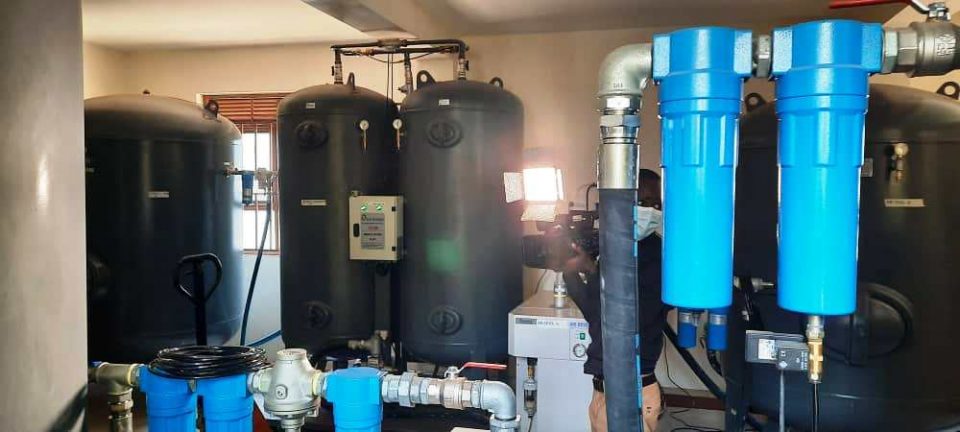
The scarcity of oxygen in various health facilities’ Intensive Care Units is facilitated by hoarding of oxygen cylinders by individuals in their homes, public health policy experts have said.
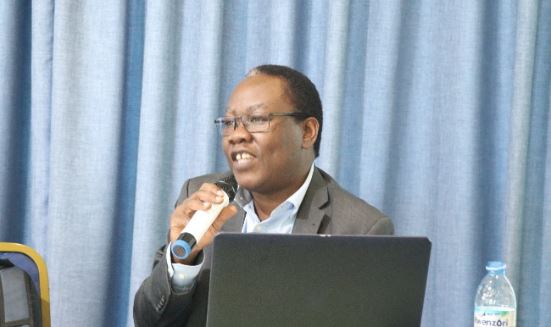
According to Dr. Freddie Ssengooba, a public health policy expert and a scientific advisor at the Ministry of Health, the need for oxygen became so much and overwhelmed the hospital setting.
Ssengooba, who referred to oxygen as a “big drug” as concerns Covid-19 treatment, noted that many patients die due to lack of oxygen in Intensive Care Units in the health facilities where they are admitted.
Speaking to a group of journalists on Friday February 5, he explained that the current scarcity of oxygen is fueled by individuals who are “tipping” manufactures so they can procure oxygen cylinders privately.

“There are a lot of oxygen cylinders in people’s houses. Now, people are asking ‘how come you get admitted for one day and you are asked to pay one million shillings?’ Basically, if a person is admitted in the Intensive Care Unit and requires that kind of care, the biggest treatment is oxygen. But one person can take 3 cylinders in a day,” he explained.
He revealed that the oxygen suppliers had few buyers before the pandemic and now, the demand is very high.
“Factories used to handle a few orders, but now, households are taking their cylinders and if you tip the manufacturers, your cylinders get filled and the hospital orders remain in a queue. That’s why Mulago ran out of oxygen because the private people were able to purchase more cylinders,” he said.
“The plants we had in hospitals to make oxygen were making low pressure oxygen, which is good for somebody in a theatre. But for someone who can’t breathe, we require high pressure oxygen and that means the cylinder has to be pumping out oxygen at such a higher rate so that when they breathe in, they have a chance of raising the oxygen to some level,” Ssengooba explained.
He further noted that when oxygen is at low pressure, it still can work but only for those who already have proper breathing.
“But for this one who can’t breathe, that normal pressure oxygen we have wasn’t an option. We needed to have high pressure oxygen,” he added.
Read: Inside the Shs 6.4bn Silverbacks Pharmaceuticals’ Oxygen Plants Procurement
Covid-19 Vaccine
President Museveni, in his address on Thursday February 4, noted that Uganda will develop its own vaccine locally.
Weighing in on this, Ssengooba noted that it is an inspirational move, although various processes have to be met first.
“There is now much evidence for countries poor as Uganda to aspire to make their own vaccines because the politics globally are indicating that unless you make your own life saving tools, you may be extinct,” he said.
“Normally, vaccine development takes very long and goes through a sequence, one step has to end before another. But when you are faced with such a big problem, at such a big scale and you have to develop a life saving tool, there will be a lot of discussions about going through the sequential steps or trying to miss some steps,” he added.
Taking an unapproved vaccine however, Ssengooba noted, requires balancing of issues politically and technically, assessing the risk of producing and administering a vaccine, and the risk of not administering it.
