

At the beginning of each year, we identify the trends we expect to be most influential in shaping food and grocery supply chains over the next twelve months, helping you to prepare for change.
It’s difficult to select just a few trends, as there is constant development in supply chains, so we have identified a selection of trends that we think are developing most rapidly. It is interesting to note that some of these tend to be linked, with one trend encouraging the development of others.
Our 2020 trends are listed below:
- Green thinking first
- Power of partnerships
- The never-ending chain
- Plug and play supply chain
- Modelled and measured risk
This article provides an outline of these trends and why they matter, but deeper insight, examples and key considerations can be found in our full report.
Green thinking first
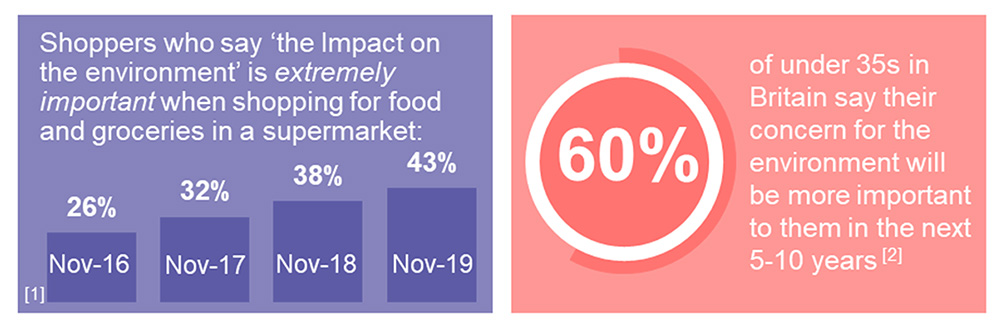
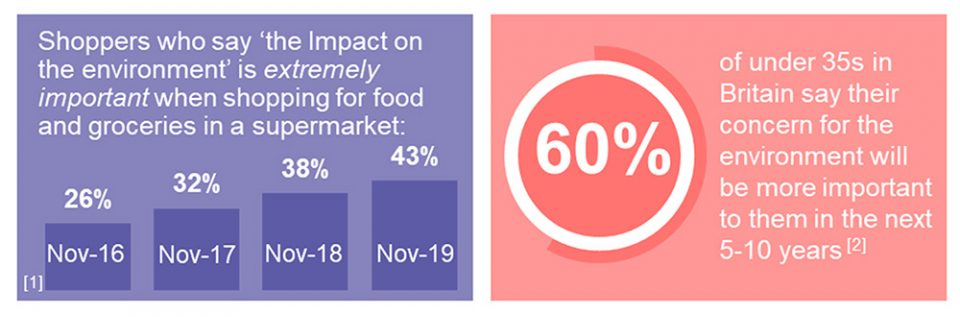
Consumers are growing increasingly concerned about the state of the environment and have responded with increased concern about the impact of their own actions on environmental sustainability. IGD research suggests that the impact of the environment is growing increasingly important to customers when shopping for food and groceries.
Every part of the supply chain is involved in the green agenda, from sourcing and production to logistics and packaging. This provides plenty of opportunities for businesses to improve and add value to their proposition. If organisations ignore this trend, they will be left behind, as we have already seen a fast response from manufacturers and retailers to reduce their environmental impact.
Power of partnerships
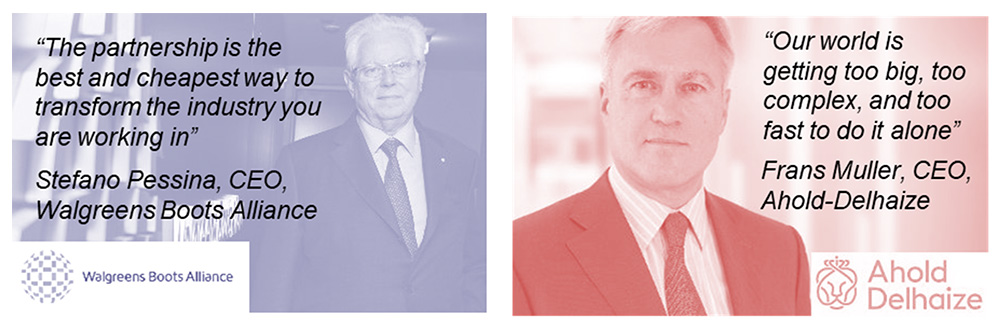
Today’s grocery industry is increasingly competitive. Its supply chains are rife with complexity and consumer demands are changing rapidly. Most businesses are simply unable to develop the capabilities they require to remain competitive in such a fast-paced environment. That’s where partnerships come in. Collaborating with those who specialise in an area where you lack capability can result in a creative new business model and competitive advantage. By the end of 2019, it seemed that every other supply chain news article we came across announced some form of partnership and we expect this trend to continue in 2020.
The never-ending chain
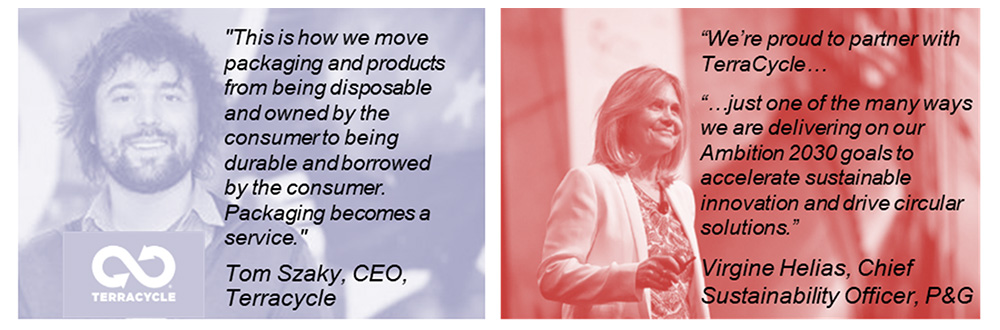
Traditionally, the supply chain has been thought of as an end-to-end construct, starting with sourcing and finishing with the end customer. But supply chains of 2020 are set to be increasingly circular, without any clear “ends”. More products will be designed for reuse, particularly packaging, and there will be increased recycling activity to reintroduce used materials into the never-ending chain. Supply chains will be less clearly defined, with more flexible structures and likely increased complexity. This is largely driven by the sustainability agenda and increasing concern over our “throw-away” society.
Plug and play supply chain
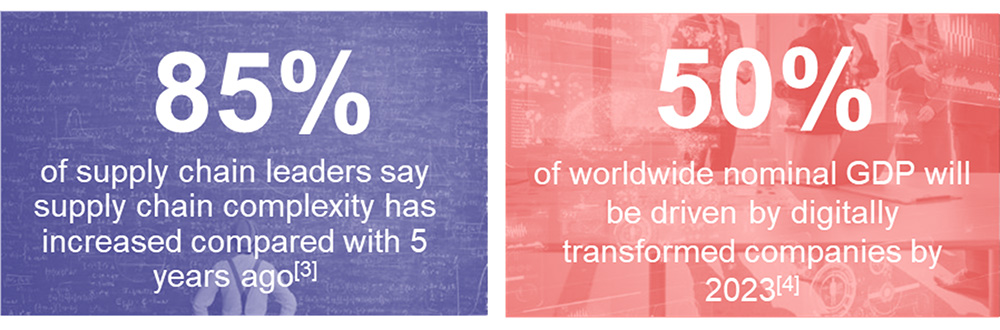
The rise of partnerships is expected to contribute to increasingly modular supply chains, where aspects from individual software packages to complete fulfilment solutions are outsourced. Most solutions will be digitally enabled, helping businesses to transform their offer. Modular supply chains promote agility, with the ability to meet rapidly changing shopper expectations. Businesses need to be aware that while modularity may remove some complexity from part of the supply chain operation, complexity in stakeholder management may well increase, especially as the number of stakeholders increases.
Modelled and measured risk
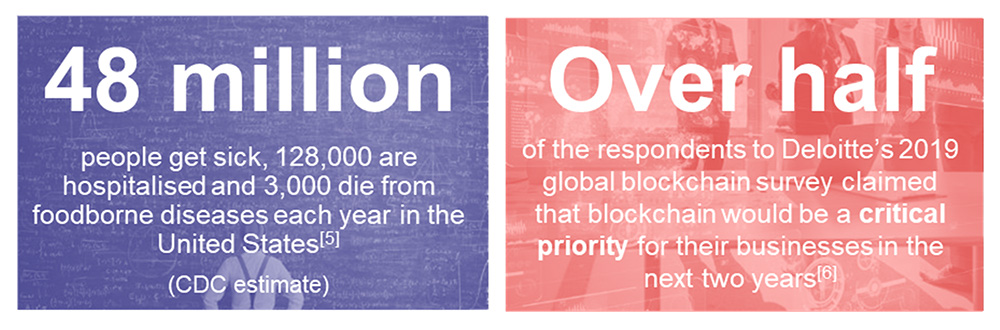
In a highly competitive environment, taking modelled and measured risks is key to gaining an advantage. While the appetite for risk is currently low among many supply chain leaders, tools for modelling and measuring risk (and reward) are developing fast. In addition, we have already seen a lot of trialing of innovations, followed by gradual rollouts, another way in which risks can be taken in a measured way. We expect to see more small-scale testing of innovations before gradual rollouts.
Regarding the management of common supply chain risks, we expect to see more businesses leveraging technologies such as blockchain to improve supply chain monitoring. The increased transparency that blockchain provides can improve consumer trust, giving those that move fast in this area the opportunity to differentiate their offering.
Conclusions
Supply chain leaders must take note of these trends and think carefully about the implications that these will have for their supply chains, not just this year but in the years to come. Consider how you can take advantage of these and identify any associated risks in order to develop a leading supply chain.
We will be following these trends through 2020, producing research on global food and grocery supply chain development.
For deeper insight, examples of what we have seen so far and key considerations for your business, see the full report.
Sources
1, 2 IGD ShopperVista
3 Supply Chain Leaders Survey 2019, IGD
4 Digital Economy Model, International Data Corporation (IDC)
5 Centers for Disease Control and Prevention
6 Deloitte’s 2019 Global Blockchain Survey
