

Rest will now conduct scenario analysis to inform its investment strategy and strategic asset allocation, disclose its entire portfolio holdings, and advocate as investors in companies to comply with the goals of the Paris Agreement, which seek to limit global warming by 1.5 degrees Celsius.
“Climate change is a material, direct and current financial risk to the superannuation fund,” the fund said in a statement, adding “that Rest, as a superannuation trustee, considers that it is important to actively identify and manage these issues.”
“Consistent with the Task Force on Climate-related Financial Disclosures (TCFD), Rest acknowledges that climate change could lead to catastrophic economic and social consequences and is an important concern of Rest’s members.”
The fund must now annually reveal how it assess investments against the Carney-led taskforce , which outlines three “stress test” scenarios: the catastrophic business as usual scenario where no further climate action is taken to limit carbon emissions; a scenario where early policy action delivers an orderly transition to the targets set in Paris; and a third where late policy action leads to a disorderly, disruptive transition.
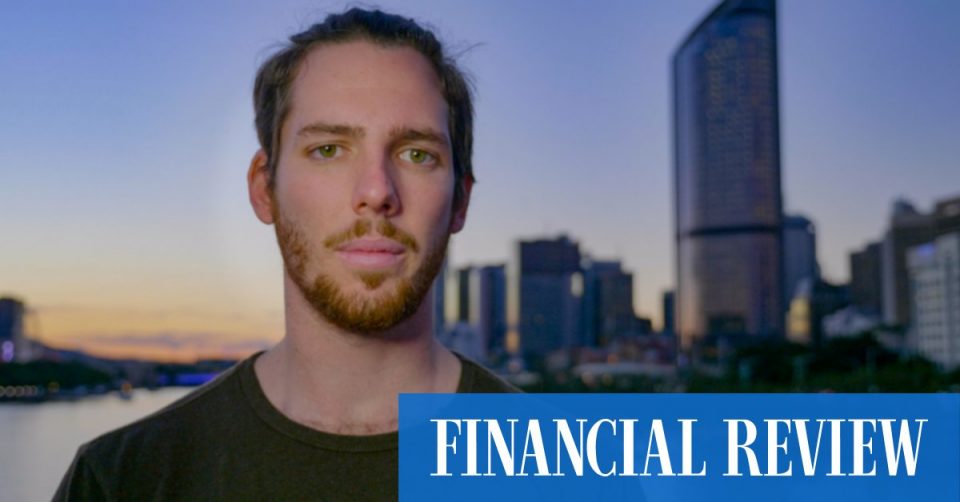
Mr McVeigh brought the case in 2018, arguing Rest’s trustees breached fiduciary duties by not acting in his “best interests” and exercising “care, skill and diligence” to protect his retirement savings from the financial risks posed by climate change.
If the case had proceeded to trial, it would have tested for the first time in Australia whether trustees have a legal duty to consider climate change as a material risk to long term investment performance.
While Justice Nye Perram didn’t make a ruling on the duty, Mr McVeigh said the lawsuit provided “a ground-breaking recognition [from Rest] of the material financial risk that climate change poses to the economy and society, and the role that super funds have in managing it”.
“I hope it will go some way to catalysing the Australian super fund industry, which, with almost $3 trillion under management, has the potential to make or break our climate response.”
This case comes as Australian Prudential Regulation Authority and the Reserve Bank of Australia gear up to put banks and insurers through a tough new climate change “stress test” modelled on Mr Carney’s taskforce rules.
The Carney international taskforce was endorsed in last December by financial services royal commissioner Kenneth Hayne, who warned that company directors have a legal duty to action on climate risk and report on it to investors.
Last year the Australian Securities and Investments Commission, announced companies will face court action if they fail to tell shareholders and customers about climate-related financial risks – like owning stock in agriculture and construction companies that could be forced out of business by drought, fires or floods supercharged by climate change.
