

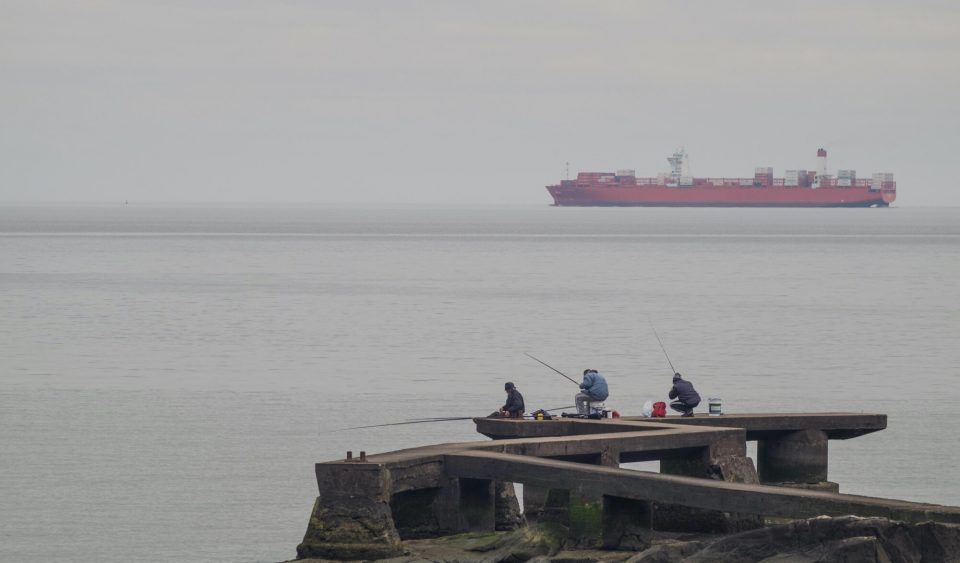
For Lojo, without this route, “the system is incomplete and inefficient”. This inefficiency lies, he says, in the greater distances that all ships coming to or from southern Argentina must travel, at great logistical expense due to frequent waiting times – between one and seven days – and costs as high as US$40,000 a day, because there is only a single one-way channel.
“These waiting vessels receive services from Uruguay: water, foodstuffs, spare parts, technicians, waste removal and more. All this is estimated to be in the order of 150 million dollars a year,” Lojo explains. “The Magdalena Channel would serve to reduce waiting times, but if there were any, if a part of these ships were to wait near the Argentinean coasts, we would add a productive activity to supply the ships, for 30 or 40 million dollars a year.”
For the Port of La Plata president, the Magdalena Channel will allow Argentine producers to “improve their competitiveness” and consumers to “have lower prices” due to more efficient logistics.
Doubts from the private sector
Alfredo Sesé, technical secretary of the transport, infrastructure and waterway commission at the Rosario Stock Exchange (BCR), an organisation that brings together the main representatives of Argentine agribusiness, recognises that a modified Magdalena Channel would be beneficial for cabotage – domestic goods transport – to or from the south of Argentina, and for bulk carriers that have to deliver their cargo to the port of Bahía Blanca, in the south of the Province of Buenos Aires.
We are not opposed to any work, but we believe that there are other priorities, such as roads and railways
However, in the BCR’s assessment, savings through the Magdalena Channel would be limited. “More than 90% of Argentina’s flour and oil production comes out of the port hub of the Greater Rosario area, whose destinations would not require navigation through this channel to reach the ocean, as they are heading north and the Magdalena points south,” Sesé says. “Its impact on this production would be nil.”
Elsewhere, Argentina already positioned itself as the world’s leading exporter of soybean meal and oil during the 2020-21 season. Amid this already high output, Sesé emphasises that for the agribusiness sector, the Magdalena Channel is “a multi-million dollar project that is not one of the sector’s priorities”.
“We are not opposed to any work, but we believe that there are other priorities, such as roads that require maintenance to avoid accidents and lower costs, all of which have been waiting for years, and there is a need for investment in railways, too,” the BCR secretary says.
Comings and goings
A number of precursors to the Magdalena Channel project date back to the early years of the century, but it was in 2013, during the second government of now vice-president Cristina Fernández de Kirchner, that it gained concrete momentum: the route and width were defined and dredging was planned.
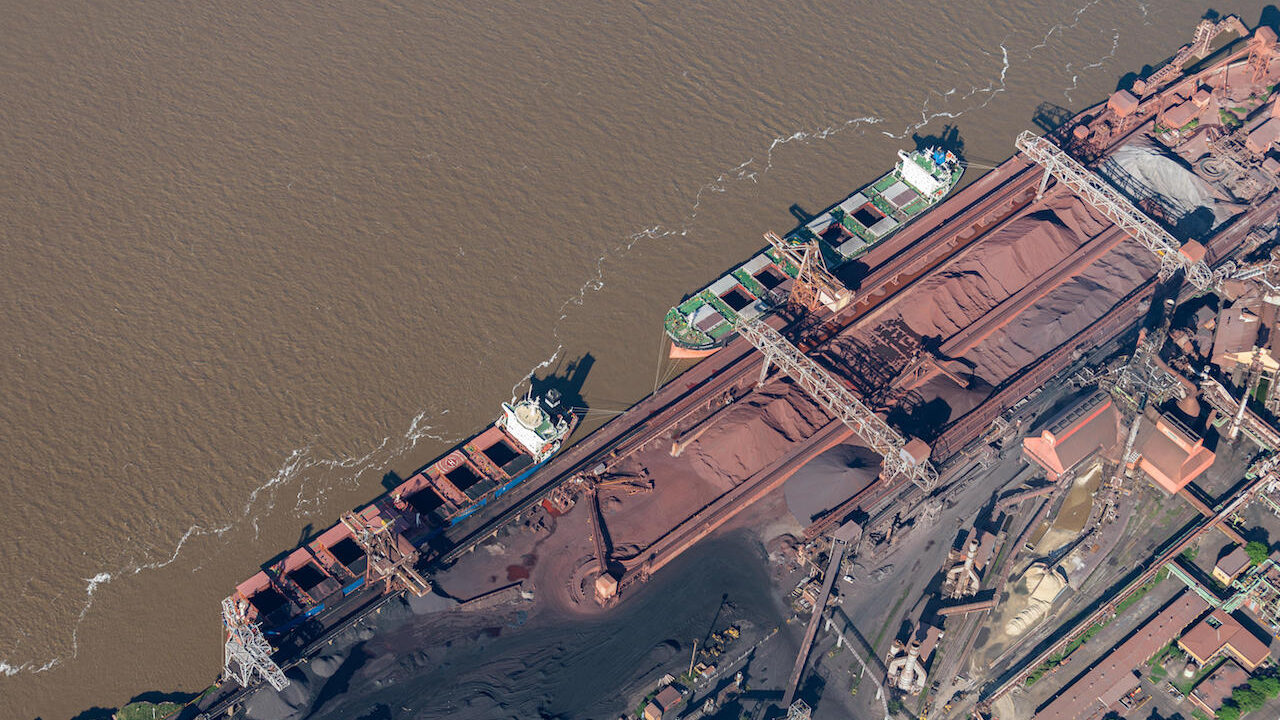
The proposed work obtained Uruguay’s approval in early 2016 under the Comisión Administradora del Río de la Plata (CARP), the binational body that regulates the shared use of the river, but the initiative became paralysed during the administration of former president Mauricio Macri.
It was not until 2021, with current incumbent Alberto Fernández in power, that the initiative regained momentum. A “special temporary executing unit” for the Magdalena Channel was created to call for tenders for the dredging, signalling and maintenance works. An environmental impact study was approved without objections the same year.
The work was included in the draft budget for 2022, put forward by the government last year. However, since the budget was not approved, the initiative has once again been stalled, this time due to lack of funds. It is now expected that the call for tenders will be made at the beginning of next year, once the 2023 budget is approved.
The international tender is expected to attract the interest of major players in the global dredging market, such as Belgium’s Jan de Nul, which has been operating on the Paraná-Paraguay waterway since 1995, and China’s CCCC Shanghai Dredging Company, which has experience in dredging the port of Mar del Plata on the Atlantic coast, and the Martín García channel further up the Río de la Plata, among other companies.
