
Philip Brown
Professor Philip Brown is professor of housing and communities at the University of Huddersfield, and a member of the Thinkhouse …more
The housing research you can’t afford to miss this month, compiled and reviewed by Philip Brown, looks at the impact of the enduring lack of housing supply and reminds us that community is not just for crisis
Sharelines

The reports received for review by the Thinkhouse Editorial Panel in April 2022 once again demonstrated the sheer diversity of analysis in housing-related research. As usual, all will be added to the Thinkhouse repository. I’ll focus on a handful of reports that stood out for different reasons.
First, I am continually impressed by the work of all at the Centre for Homelessness Impact. They are relentless in the ways in which they systematically provide data and evidence to help us understand how homelessness can be addressed effectively. They are also routinely innovative in the issues they choose to focus on.
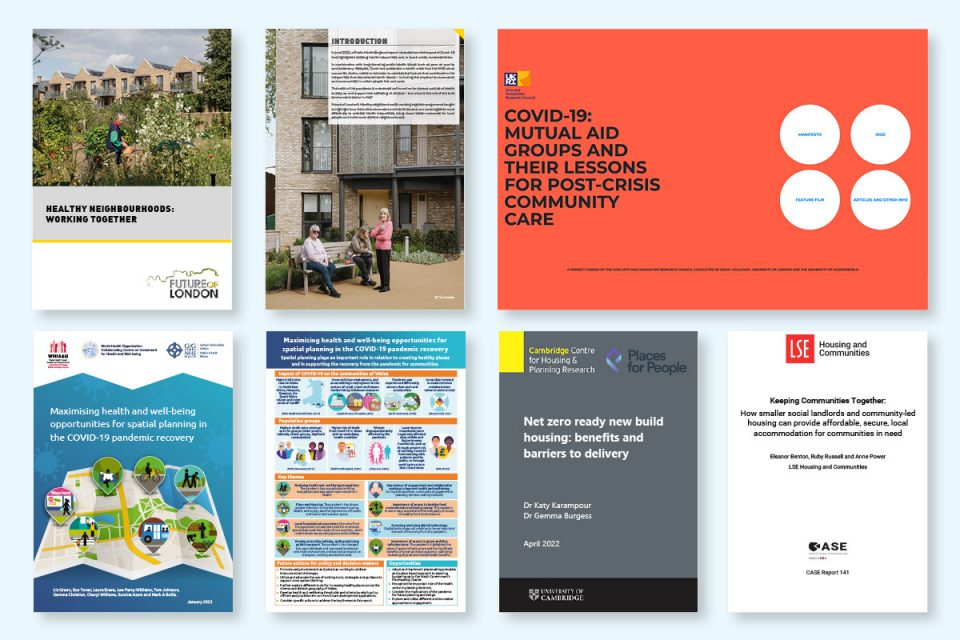
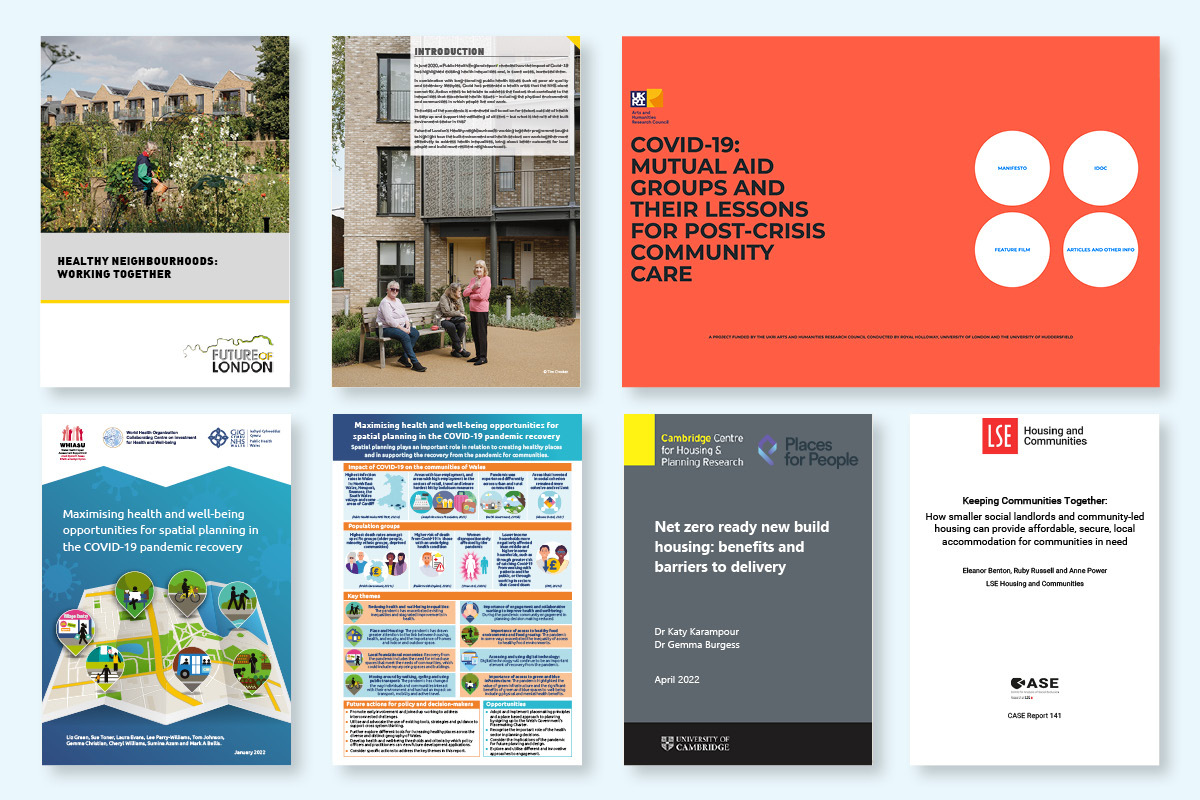
This month’s contribution to Thinkhouse is a case in point. Dr Katy Karampour and Dr Gemma Burgess from the Cambridge Centre for Housing and Planning Research at the University of Cambridge explore, in detail, the increasing role of modular and shipping container schemes in addressing homelessness. The report draws on 33 schemes across 22 local authorities.
I know that this is an idea that local authorities, social enterprises and contractors have been exploring for some time. The report does a good job of providing an analysis of how such schemes have been developed and managed.
While there are a range of factors to feel positive about, I, like many people, am very uncomfortable with advocating for the use of shipping containers to accommodate humans in the most pressing need.
The authors are clear that it is not the intention of the report to advocate for the use of such accommodation. They scatter the report with warnings, such as the unsuitability of this form of accommodation for families and how the enduring lack of housing supply means people in such schemes are often accommodated in them for long periods of time (over two years).
The report is interesting and well worth a read – as we need all the tools available to support people during the housing crisis. However, there is a danger that implementing such schemes can take the pressure off finding and creating good-quality affordable accommodation.
While this might be welcome initially, does it really help anyone in the long term?
Next up, Keeping Communities Together: how smaller social landlords and community-led housing can provide affordable, secure, local accommodation for communities in need, the report from the London School of Economics, was of particular interest to me at the minute, as I complete a piece of work looking at mutual aid, with colleagues from Royal Holloway, University of London.
The LSE report brings together work the research team engaged in before the COVID-19 pandemic to explore the role of community-based providers in housing. It draws on three residential events, desk-based and primary research to inform its findings, which point to the importance of supporting a range of providers for social housing.
Health and well-being
Drawing on a series of case studies and engagement with smaller community-based providers, the authors identify the gaps these providers fill and the priorities they have.
These include aspects such as their close links to the communities in which they are based and their knowledge of local characteristics; responsiveness to local idiosyncrasies at the neighbourhood level; the embeddedness of democracy in the governance of schemes; the innovative use of space; and high levels of energy efficiency.
Critically, the authors point out that community-led housing is about more than just housing. Providers are often driven by meeting broader social and environmental needs. This helps provide community members with the spaces and places to develop even stronger community bonds. Reading these findings in a post-pandemic situation, having witnessed the heroic actions of mutual aid groups over the past two years, should remind us that community is not just for crisis.
Communities need to be fostered and nurtured, and housing is a perfect vehicle for this.
Finally, two reports sought to address health and well-being through the lens of planning and housing. Healthy Neighbourhoods: Working Together, from Future of London, and Maximising health and well-being opportunities for spatial planning in the COVID-19 pandemic recovery from the Public Health Wales NHS Trust are particularly welcome.
Out of the tragedy of the COVID-19 pandemic, it is encouraging to see renewed interest in health across policy agendas, including greater consideration of health at the centre of future housing and the (re)development of places such as towns and cities. However, the development of built environments is often divorced from the work of health professionals.
Such publications remind us of the need to find ways for housing, planning and health to work much more closely together to ensure housing is an enabler of health and well-being and not yet another challenge
to overcome.
Philip Brown is professor of housing and communities at the University of Huddersfield
Sign up for our daily newsletter