

At the airbases, there was no distinction in attitudes to flying and ground crew, Ms Boyer said. “You were like a family. There was no ‘he’s got wings, he hasn’t’, it felt like we were all together.
“Yes, we had separate crews, aircrew and ground crew, but the pilots didn’t mind if you came walking into the aircrew room for a natter.”
Ms Boyer lamented, however, that the project would come too late for most involved with the Spitfire during the war. “So many of the people who were there, they will never know it’s happened,” she said, comparing it to the opening of the Bomber Command memorial in 2012.
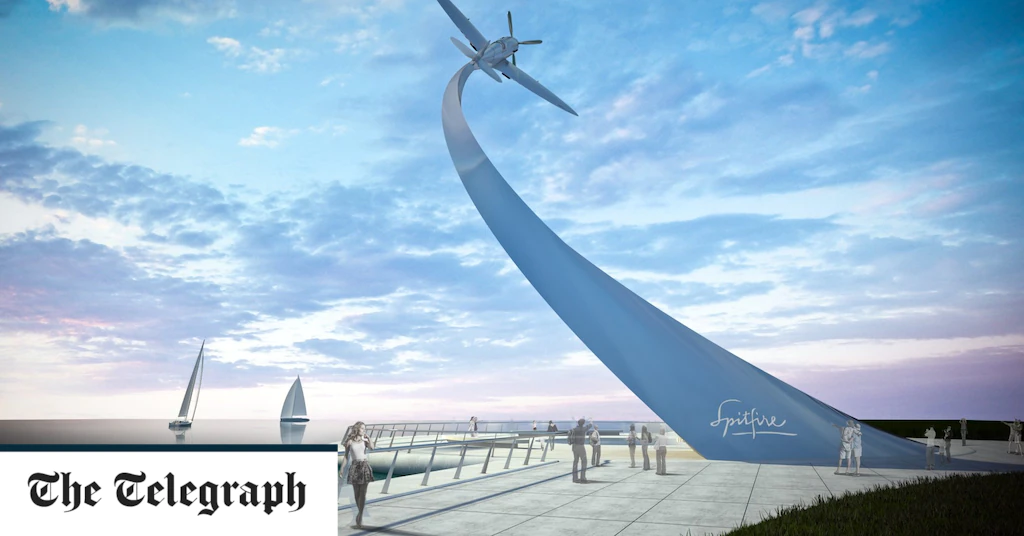
The project, due to be completed by June 2024, has already secured £3 million pounds of funding from the Treasury and £500,000 from Southampton Council.
Now the monument’s backers are hoping to raise a further £3 million from donations.
Mr Beevor said he hoped that the project could emulate the wartime “buy a Spitfire” effort, when individuals, local communities and businesses donated towards parts or even whole aircraft.
“50 to 100, Spitfires were bought by ordinary people, all by companies or by very rich people,” he said.
More than 20,000 Spitfires were built during its service lifetime and while the backbone of the RAF fleet during the Battle of Britain was composed of Hawker Hurricanes, the Spitfire’s superior flying performance saw it play a crucial role.
