

By Tan Miller ·
May 2, 2022
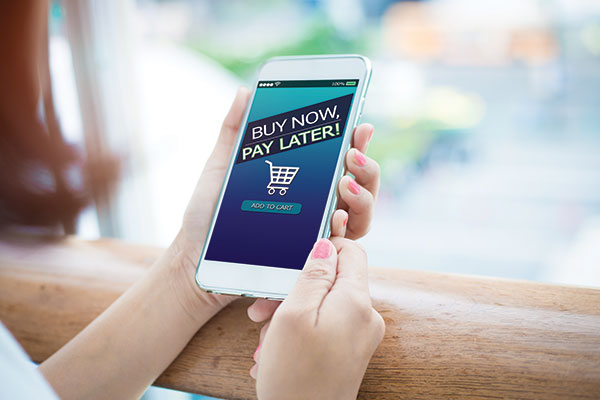
Let’s say that you’re the manager of logistics for a major retailer. Led by the sales and marketing groups, your firm has recently implemented the latest rage in e-commerce and retail purchasing practices, “buy now, pay later,” or what we’ll call BNPL. The program allows consumers to make a purchase and receive the merchandise today while making payments over time. Of course, these programs have been around for years. Backed by finance companies, they’ve typically been offered by companies and services providers with expensive products that people used to spend years saving up for, everyone from your local dentist to finance expensive dental procedures like crowns and veneers to furniture retailers. Today, these programs have gone mainstream: Use your Paypal account to buy a $60 pair of shoes online, and Paypal is likely to give you the option of paying for the purchase over four payments to six payments.
It’s easy to see why sales, marketing and finance might love these programs because they potentially open up a new sales channel and increase revenue. But what about supply chain? Perhaps it’s not as simple as it seems on the surface and creates a new set of logistics costs and headaches.
Over the years, you, the supply chain manager, have made the accommodations necessary to facilitate a lay-a-way purchase. When a customer purchases via lay-a-way, you put the item aside in your warehouse or the back room of a store, and then ship the item to the customer, or they pick it up in the store, after the final payment is made. You have to create additional storage space and perhaps a carry cost to hang on to the item. But, if they customer fails to make the final payment, the item can still be resold as new.
The BNPL is similar, but different. Now, when the customer clicks the purchase option after agreeing to make payments, they take immediate possession of the item, either picking it up in a store, or after you ship it out to them. That sounds simple enough. But, one of the things you noticed is that not infrequently, the customer changes their mind, cancels the BNPL contract, and returns the item to your distribution network, just like they’d return any other product. Sometimes, the returns don’t come back for weeks, or even months, after they’ve been used by the customer for some period of time in their homes. What’s more, as the volume of e-commerce orders has picked up, so has the volume of returns, including those purchased using BNPL.
These returns come back in various used states. In some cases, the products can no longer be sold again, even on a discounted, used basis. As a logistics manager, you find yourself wondering whether the BNPL purchase option is actually helping or hurting your firm’s financial success, if you take into consideration all of the costs associated with handling, returning and potentially disposing of the product.

By Tan Miller ·
May 2, 2022
Let’s say that you’re the manager of logistics for a major retailer. Led by the sales and marketing groups, your firm has recently implemented the latest rage in e-commerce and retail purchasing practices, “buy now, pay later,” or what we’ll call BNPL. The program allows consumers to make a purchase and receive the merchandise today while making payments over time. Of course, these programs have been around for years. Backed by finance companies, they’ve typically been offered by companies and services providers with expensive products that people used to spend years saving up for, everyone from your local dentist to finance expensive dental procedures like crowns and veneers to furniture retailers. Today, these programs have gone mainstream: Use your Paypal account to buy a $60 pair of shoes online, and Paypal is likely to give you the option of paying for the purchase over four payments to six payments.
It’s easy to see why sales, marketing and finance might love these programs because they potentially open up a new sales channel and increase revenue. But what about supply chain? Perhaps it’s not as simple as it seems on the surface and creates a new set of logistics costs and headaches.
Over the years, you, the supply chain manager, have made the accommodations necessary to facilitate a lay-a-way purchase. When a customer purchases via lay-a-way, you put the item aside in your warehouse or the back room of a store, and then ship the item to the customer, or they pick it up in the store, after the final payment is made. You have to create additional storage space and perhaps a carry cost to hang on to the item. But, if they customer fails to make the final payment, the item can still be resold as new.
The BNPL is similar, but different. Now, when the customer clicks the purchase option after agreeing to make payments, they take immediate possession of the item, either picking it up in a store, or after you ship it out to them. That sounds simple enough. But, one of the things you noticed is that not infrequently, the customer changes their mind, cancels the BNPL contract, and returns the item to your distribution network, just like they’d return any other product. Sometimes, the returns don’t come back for weeks, or even months, after they’ve been used by the customer for some period of time in their homes. What’s more, as the volume of e-commerce orders has picked up, so has the volume of returns, including those purchased using BNPL.
These returns come back in various used states. In some cases, the products can no longer be sold again, even on a discounted, used basis. As a logistics manager, you find yourself wondering whether the BNPL purchase option is actually helping or hurting your firm’s financial success, if you take into consideration all of the costs associated with handling, returning and potentially disposing of the product.

May 2, 2022

Subscribe to Supply Chain Management Review Magazine!
Subscribe today. Don’t Miss Out!
Get in-depth coverage from industry experts with proven techniques for cutting supply chain costs and case studies in supply chain best practices.
Start Your Subscription Today!
