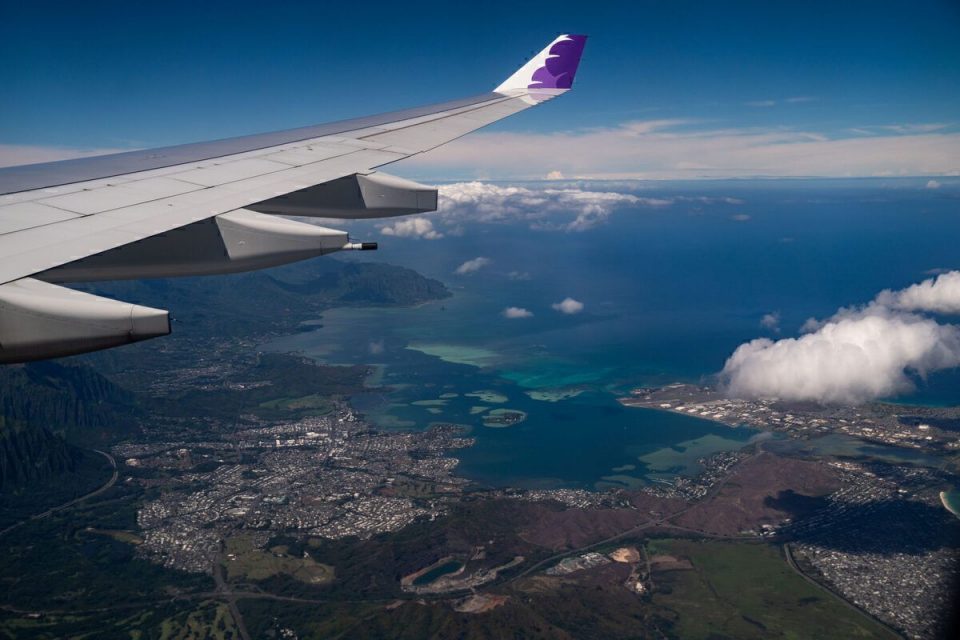
Hawaiian Airlines is helping to protect seabirds and their eggs by flying them to San Diego on their way to Isla Guadalupe, an island off the coast of Mexico. Black-footed albatross eggs are in danger of being washed away by rising sea levels.
Hawaiian Airlines conservation mission
Hawaiian Airlines is doing its part to conserve a local seabird species by flying chicks and eggs to safer territory. In partnership with Pacific Rim Conservation, HA has flown this special cargo for the past two years as the birds face the threat of rising sea levels.
The black-footed albatross, known in Hawaii as Kaʻupu, are large seabirds primarily found in Papahānaumokuākea, a protected marine area consisting of 10 islands and atolls across 1,510,000 km2 of ocean.
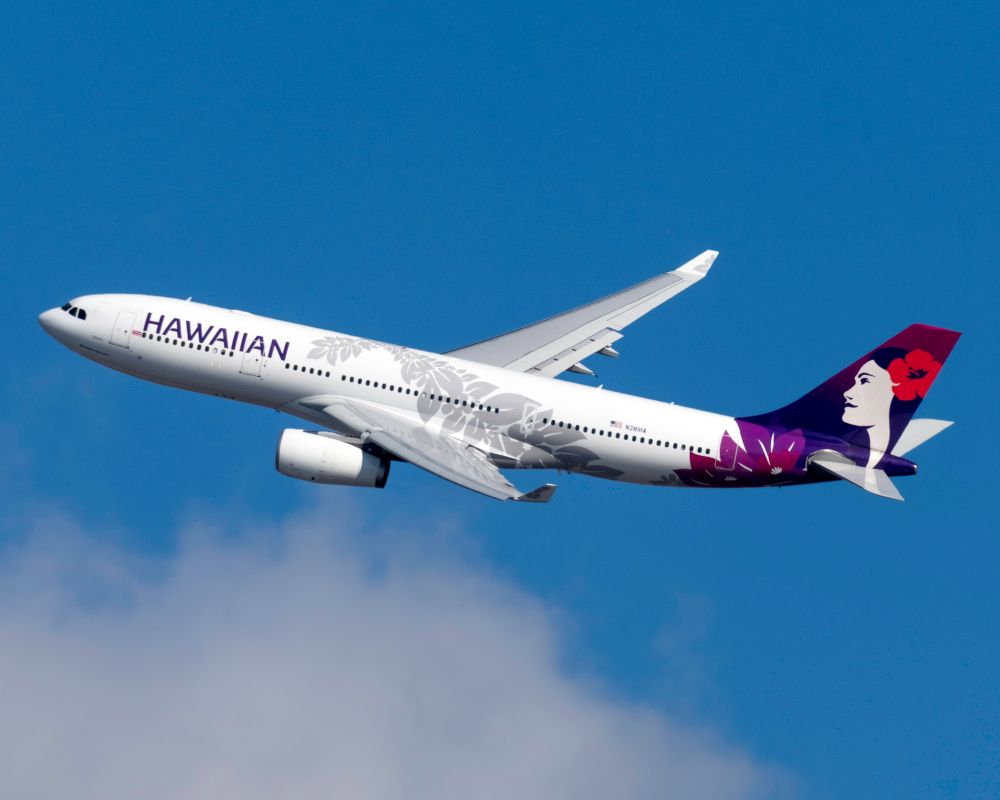
Hawaiian Airlines first teamed up with Pacific Rim Conservation in 2020. Photo: Vincenzo Pace | Simple Flying
Their eggs on Midway Atoll are in danger of being swept away by the ocean, forcing conservationists to intervene. The chicks and eggs have been transported to the Mexican island of Isla Guadalupe via San Diego.
Director of Science for the Pacific Rim Conservation, Eric VanderWerf, said,
“Almost all the Ka’upu in the world, about 28,000 pairs, nest on the low atolls of the Northwestern Hawaiian Islands. The biggest long-term threat to the species is the inundation of its breeding colonies by sea-level rise and storm waves caused by climate change.”
According to Julio Hernández Montoya, a conservation biologist with Island Ecology and Conservation Group, many hatched and unhatched chicks are “destined to drown” if they stay on Midway.
Hawaiian Airlines has conducted similar flights over the past two years, transporting around 70 chicks and eggs to safer territory.
A delicate cargo
The team developed custom-built incubators and padded boxes to ensure the chicks and eggs were protected during the flight.
Debbie Nakanelua-Richards, director of community and cultural relations at Hawaiian Airlines, said,
“The eggs and chicks are incredibly sensitive, so we had to manage everything around them and minimize the number of hands that touched them. We took them through check-in, TSA — which was especially concerning because they had to go through the x-ray machine.”
The plan appears to have worked, with 53 out of 57 eggs hatching and nine of 12 chicks surviving after arriving in Isla Guadalupe. The surviving birds are now caring for the newly-hatched chicks on their new island home.
A new home 6,000km away
Isla Guadalupe was chosen as it offers an abundance of food sources and higher nesting grounds. It is also home to a separate albatross species known as Laysan albatross, or Mōlī, that has successfully established a colony.
Eric VanderWerf added,
“They love it there and they’re doing great. And part of the reason they like the island is there’s cold water very near by the island. The California current that runs past the island is cold and has a lot of the preferred food species that albatross really like.”
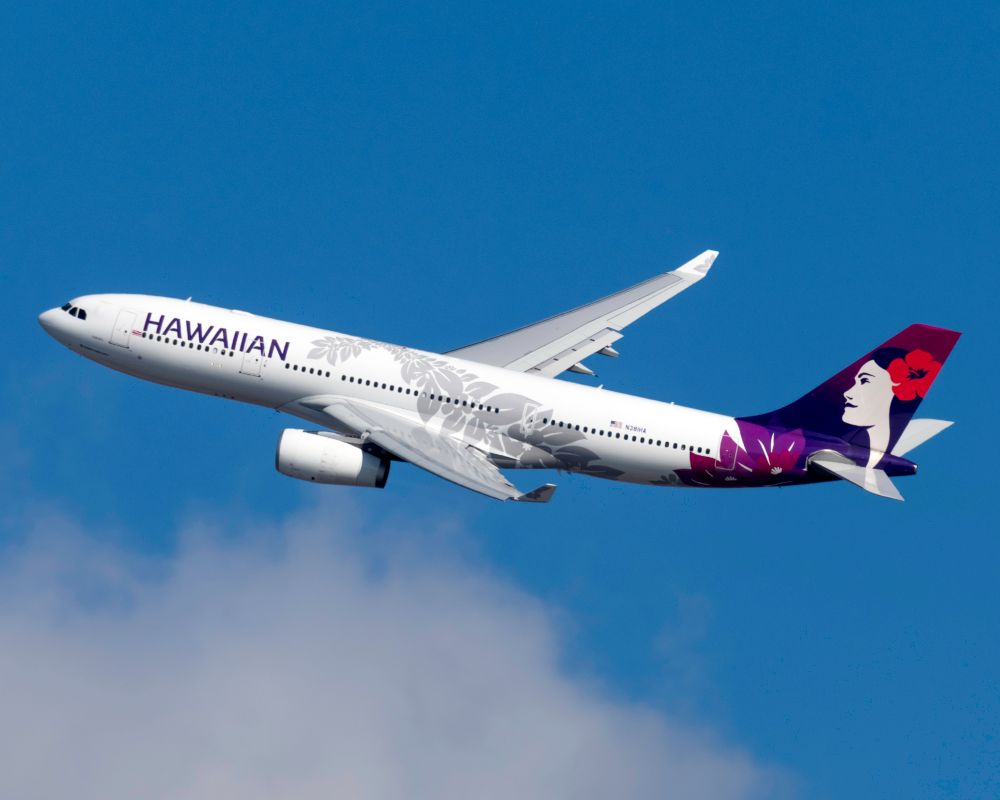
Hawaiian Airlines took special measures to protect its fragile cargo. Photo: Vincenzo Pace | Simple Flying
95% of the world’s population of black-footed albatross nest in the Hawaiian islands, with Midway Atoll accounting for roughly one-third of the species’ breeding population. Studies have estimated that over 90% of black-footed albatross nests would be flooded with a two-meter rise in sea levels.
HA’s last visit to Midway was under somewhat different circumstances. As Simple Flying reported in September, a Hawaiian Airlines Airbus A330 diverted to Midway after an inflight issue, forcing the plane to make an emergency landing on Midway Atoll.
Are you happy to see airlines participating in conservation schemes like this? Do you know of any other carriers doing something similar? Let us know in the comments.
Read Next
About The Author