

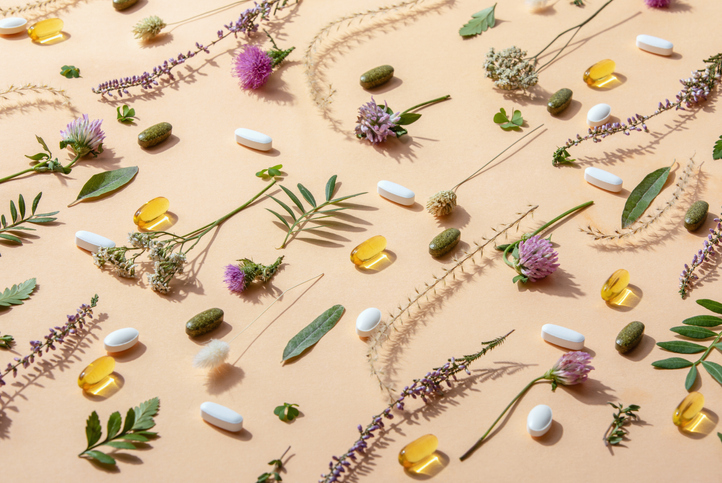
The COVID-19 pandemic has stimulated millions of consumers to attempt to enhance their personal wellness, particularly their immune system function, by increasing their use of dietary supplements, both of the conventional nutritional variety as well as numerous botanicals known for their immunomodulating effects. Sales for 2020 for botanical dietary supplements are predicted to outpace sales for the previous year (2019) which indicated an 8.6% increase in herbal DS over the previous year, according to the independent nonprofit American Botanical Council’s annual Herb Market Report published in ABC’s peer-reviewed journal HerbalGram (#127).
Adulteration concerns
ABC cautions industry about probable increase in ingredient adulteration during pandemic-induced supply shortages. As issues around the pandemic began to dominate the news, business practices, and personal lives, in early April, ABC somewhat presciently issued an advisory to all ABC members, warning them that supply chain dislocations caused by the pandemic coupled with increased consumer demand for numerous botanical ingredients would invariably lead to increases in adulteration and fraud with respect to various botanicals, including, but not limited to elder berry, and others. ABC advised its members, “The need for reliable and authoritative information on how herb businesses can avoid purchasing adulterated and fraudulent botanical material is all-the-more needed in light of concerns about dislocations and shortages in herbal supply chains and value networks.” Unfortunately, these concerns about adulteration turned out to be at least partially true in the case of elder berry based on evidence from analytical data provided by herbal dietary supplement manufacturers (see below).
Supply chain disruptions and shortages
Since last March new problems in the global supply chain for botanical materials used in teas and dietary supplements has been the subject of at least three articles surveying numerous ingredient suppliers and herb product manufacturers by ABC contributing editor and natural products industry veteran journalist Karen Raterman. For many established and reputable companies, supplies of many key herbs were adequately covered by experienced supply management and longstanding relationships, and yet even some of these companies were compelled to seek new sources of supply for specific botanical ingredients. (These illuminating articles are available free-access on the ABC website: www.herbalgram.org.)
Oleander warning
In August there was a temporary interest expressed by the US president in having the FDA review a drug made from the leaves of oleander as a possible remedy for COVID-19. Concerned that naïve consumers and potentially irresponsible media reporting might misinform consumers about oleander and create a misguided demand for raw oleander leaves and/or teas or other products made from them, on August 18 ABC, as a science-based organization, provided responsible leadership by issuing a press release on the high toxicity of oleander (it can be fatal) – possibly helping to reduce potential public interest in mistakenly self-medicating with oleander tea and/or home-made remedies made from oleander.
SHP Toolkit
The pandemic has shown even more dramatically that not only are people around the world intricately connected but that they must engage life and commerce in ways that are safe and sustainable. With the goal to help the industry become more responsible, from a sustainability perspective, the ABC Sustainable Herbs Program (SHP) published the free-access 52-page “SHP Sustainable & Regenerative Practices Toolkit” as a resource to herb businesses and others on how they can initiate and/or increase their commitment to sustainability.
ABC/SHP webinars
In order to help educate industry members about the existence and relevance of the SHP Toolkit, ABC and SHP initiated a series of educational webinars on various aspects of the toolkit including the business case for sustainable practices, featuring numerous industry leaders from companies that currently support SHP. Further, ABC began a series of widely viewed webinars on topics of ethnobotany, the study of how people in indigenous societies utilize plants for food, fiber, shelter, medicine, etc., featuring some of the world’s leading ethnobotanical researchers. The new series of webinars has enhanced ABC’s reach to its relatively wide spectrum of stakeholders, including researchers, health professionals, educators, industry members, consumers, et al.
Forthcoming BAPP Elder Berry Adulteration Paper
Mounting concerns about and laboratory evidence of the adulteration of elder berry (more commonly referred to in the industry as elderberry) raw materials and consumer products prompted the ABC-AHP-NCNPR Botanical Adulterants Prevention Program (BAPP) to initiate the research on and compilation of laboratory results for a publication forthcoming in 2021 that confirms the adulteration and fraud in the elder berry market. Currently (at the end of December) BAPP has received laboratory analytical data on ca. 560 tests from a variety of herb industry in-house labs and third-party testing labs in North America. Curiously, there are currently no publications in a peer-reviewed scientific journal that document the adulteration of elder berry raw materials, extracts, syrups, and/or finished consumer DS products, so evidence of such practices must be gained from unpublished lab reports. Elder berry is reportedly being adulterated by various means (paralleling the adulteration of bilberry fruit extracts), including the undisclosed addition of anthocyanidins from lower-cost fruits, and the undisclosed addition of anthocyanidins from black rice.
BAPP Best Practices SOP for Disposal or Destruction of Irreparably Defective Articles
In December BAPP sent out its revised draft documents on “Best Practices Contract Language and SOP for the Disposal or Destruction of Irreparably Defective Articles,” for the second round of public comment. The proposed SOP will enhance industry abilities to help improve the supply chain for botanical raw materials, extracts, and essential oils by providing buyers with more guidance on how to dispose or destroy (through a certified third party) ingredients that are adulterated and/or contaminated to the extent that they cannot be lawfully remediated. BAPP received 106 public comments in 2018 and 2019 on the initial documents and the revised documents reflect the public input, primarily from members of U.S. herb industry as well as other interested parties, particularly GMP regulatory experts. The final documents will be disseminated to industry members, trade associations, and others for industry-wide adoption in 2021. The SOP and boilerplate Contract Language are intended to provide guidance in an area where the US FDA’s GMPs for dietary ingredients and dietary supplements are lacking (as is also the case in other countries). The BAPP SOP public comment was reported in NutraIngredients-USA on December 2, 2020.
There seems to be almost universal agreement that 2020 was an unprecedentedly difficult year, in many aspects of commercial activity and personal living. Hopefully, 2021 will be result in improvements on many fronts, and all the people on our planet will be able to enjoy robust, vibrant, and lasting health.
Mark Blumenthal is the Founder and Executive Director of the nonprofit American Botanical Council, an independent nonprofit research and education organization founded in 1988. He has over 50 years of experience with herbs and medicinal plants.
